


31 Aug Hardboard Sheets: Sizes, Uses & Prices
Hardboard, also known as masonite, is one of the most reached-for sheet materials on a South African building site, but it rarely gets explained. This guide covers what hardboard actually is, the standard sheet sizes and thicknesses available, where it’s used, how it compares to MDF, and where to buy it online.
What Is Hardboard?
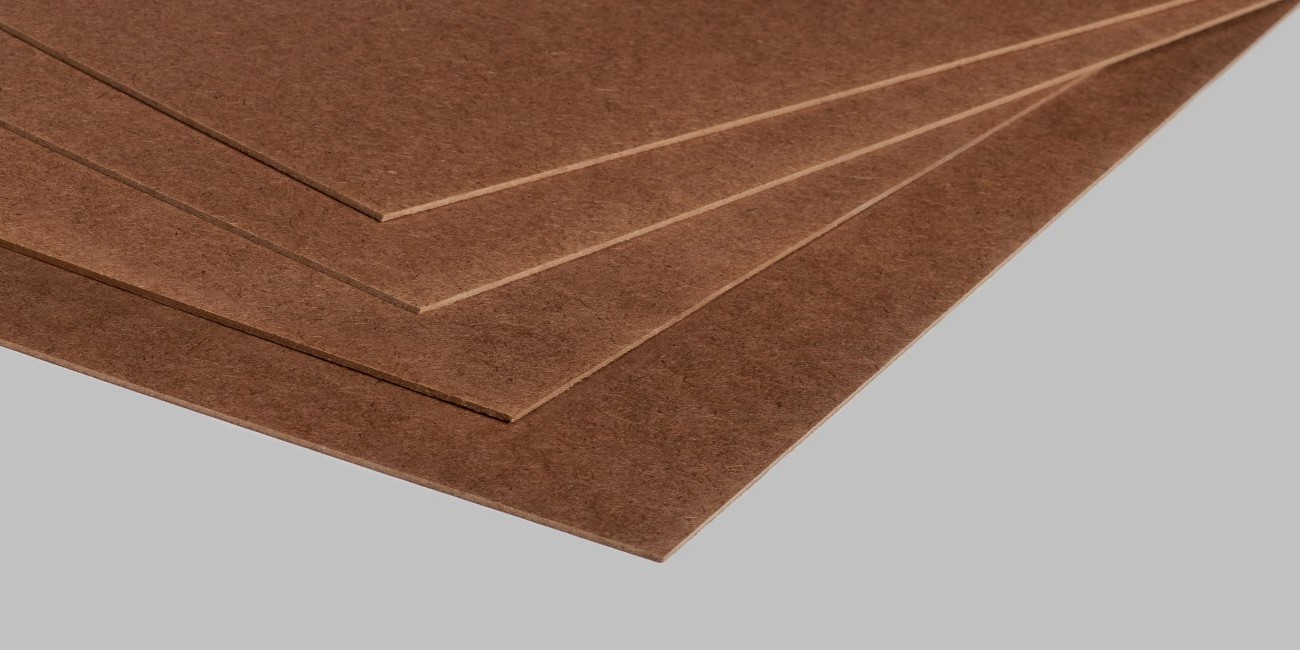
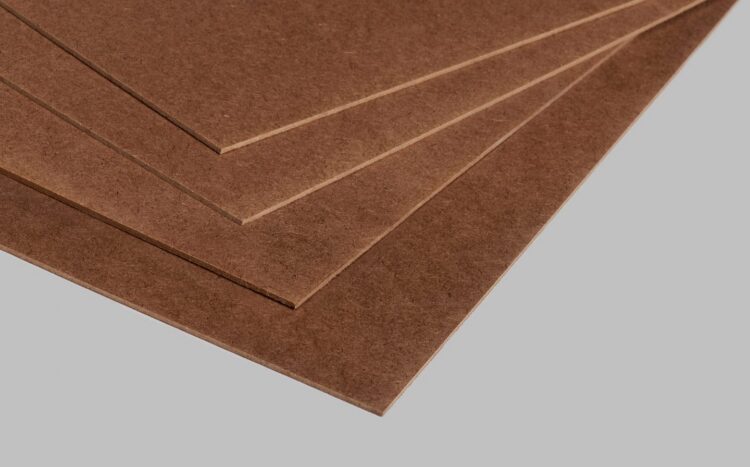
Hardboard is an engineered wood panel made by compressing wood fibres under high heat and pressure, with no added resin binder needed to hold it together in most standard grades.
The process leaves one side smooth and glossy and the other with a lightly textured, screen-like finish from the manufacturing mesh. That smooth face, combined with hardboard’s density and rigidity, is what makes it a go-to backing and lining material rather than a structural one.
Standard Hardboard Sizes and Thicknesses
Hardboard is typically stocked in full 1220 x 2440mm sheets, with thickness the main variable to choose based on your project:
| Thickness | Standard Sheet Size | Typical Use |
| 2.5mm | 1220 x 2440mm | Craft projects, drawer bases, light backing panels |
| 3mm | 1220 x 2440mm | Furniture backing, cabinet backs, general DIY panelling |
| Standard Hardboard | 1220 x 2440mm | General building and DIY use; confirm available thickness in stock |
| HDF Board | 2440 x 1220mm | Higher-density option for tougher backing and flooring underlay |
Our 2.5mm hardboard sheet is the lightest option we stock, suited to backing panels that won’t take heavy load. For a bit more rigidity, our 3mm hardboard is the most commonly used thickness for furniture and cabinet work.
You’ll find the full hardboard range, including current stock and pricing, on our website; as with any board product, prices and available thicknesses can shift with supply, so it’s worth confirming the latest price when you’re ready to order.
What Hardboard Is Used For
Because it’s smooth, affordable and easy to cut, hardboard shows up in a wide range of projects: cabinet and furniture backing panels, drawer bottoms, protective flooring during renovations, door skins and infill panels, wall and ceiling lining, and craft or hobby projects such as pinboards and display backing.
Shopfitters and event builders also reach for it when they need a smooth, paintable surface for temporary displays or signage backing, since it’s light enough to handle in large sheets but rigid enough to hold its shape once fixed.
It’s not a structural board, so it isn’t the right choice for anything load-bearing, but for lining, backing and protecting surfaces it’s hard to beat on price.
Working with Hardboard
Hardboard cuts cleanly with a fine-toothed saw blade or a sharp utility knife for thinner sheets, and it takes paint, primer and adhesive well on both faces once lightly sanded. Because it’s thin and can flex, larger panels benefit from being fixed to a frame or backing structure rather than left unsupported, especially if the panel will take any weight or foot traffic, such as when it’s used to protect flooring during a renovation.
Standard hardboard isn’t moisture-resistant, so keep it away from damp areas like bathrooms and exterior walls unless you’re using a tempered or oil-treated grade rated for the job.
Hardboard vs MDF
Hardboard and MDF are often confused because both are engineered wood fibre panels, but they behave differently. Hardboard is thinner, denser and more rigid for its thickness, which is why it’s favoured for backing panels rather than structural furniture parts. MDF, on the other hand, is thicker, easier to rout and profile, and better suited to cabinetry, mouldings and painted furniture faces. If your project needs machining, edging or a heavier panel, our
MDF board buying guide covers sizes, thicknesses and pricing for our MDF range in more detail. For a technical definition of how hardboard is classified as an engineered wood product, see this overview of hardboard as a fibreboard material.
Buying Hardboard from Online Building
All our boards are sourced to meet recognised South African construction material standards; you can read more about how these standards are set and enforced on the South African Bureau of Standards (SABS) website.
Whether you need a single sheet for a weekend project or a bulk order for a fit-out, CONTACT US today. Our team can confirm current stock and pricing before you order.