


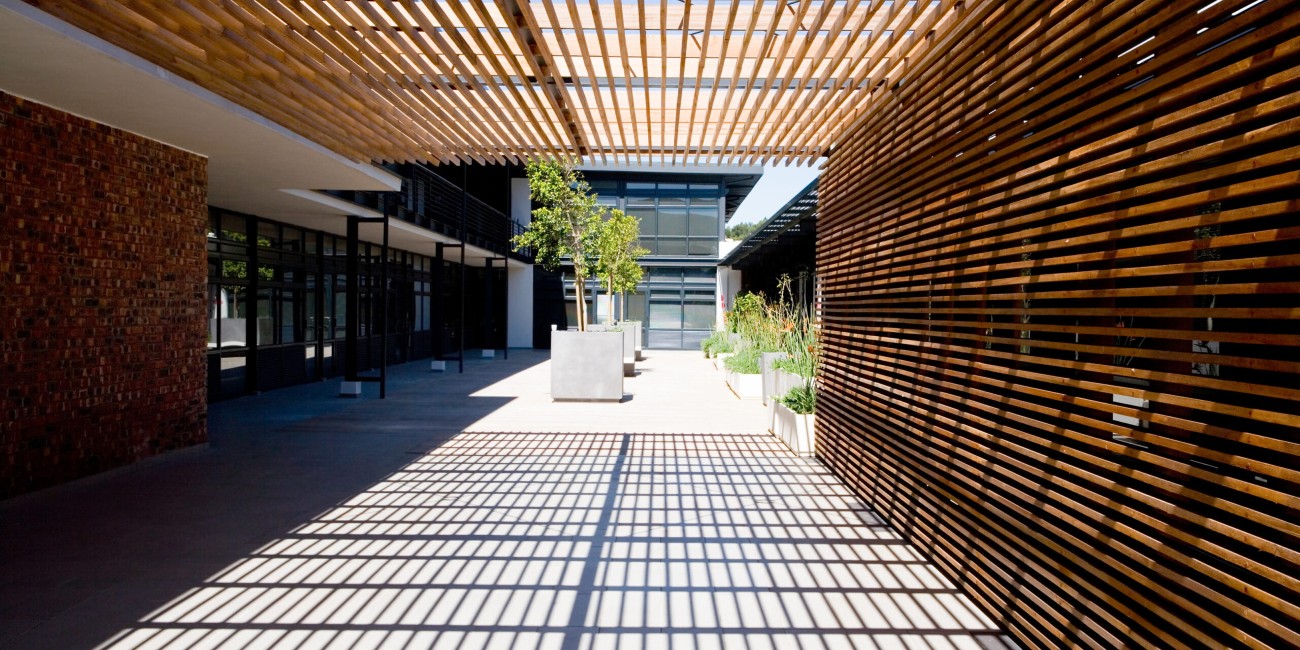
28 Aug Best Wood for Pergolas in South Africa
With spring building season underway, pergolas are one of the most popular outdoor projects South African homeowners take on. But choosing the timber is where most people get stuck: do you go with budget-friendly pine, popular garapa, or premium balau? This guide compares the three pergola timbers we stock, covering weathering, maintenance, cost, and the post and span sizes you’ll need, so you can order with confidence.
What Makes a Good Pergola Timber
A pergola post or beam is exposed to sun, rain and wind year-round, so the timber needs to resist rot, insect damage and UV greying without needing constant attention.
It also needs to be available in a size that can safely carry the beams and roofing or shade cloth above it. Budget, appearance and how much maintenance you’re willing to do all come into the decision too, which is why the three options below suit different projects and different homeowners.
Coastal builds add another layer to the decision, since salt-laden air and higher humidity accelerate weathering and increase the risk of fungal decay in untreated or poorly maintained timber, so it’s worth erring toward the more durable, lower-maintenance options if your site is exposed to the coast.
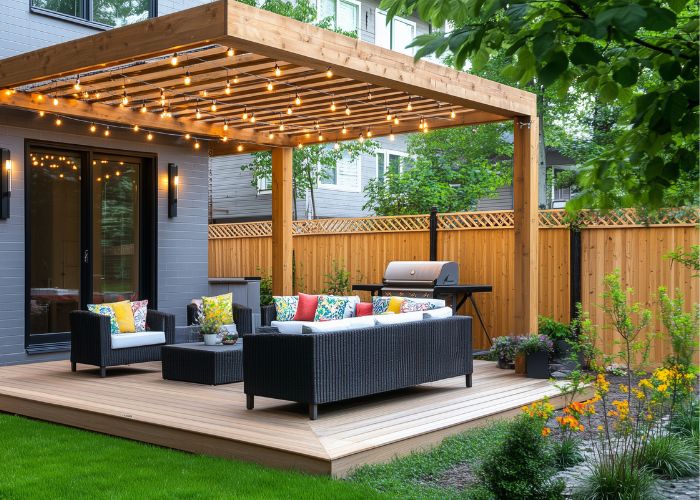
CCA Pine: The Budget Option
CCA (chromated copper arsenate) treated pine is the most affordable pergola timber and the most widely used for DIY builds. The pressure treatment protects the timber against rot and insect attack, but the classification matters: posts in ground contact need a higher hazard class than beams that sit above ground. For a full breakdown of what each class covers, our
Understanding CCA Treated Pine Grades post explains the difference between S5 and S7 structural grades, and the South African Wood Preservers Association’s guide to choosing treated timber confirms which hazard class is recommended specifically for pergolas. Left unsealed, pine will grey within a year or two, so most builders either seal it to keep the natural colour or let it weather and re-treat periodically.
It’s the least expensive of the three options here, which makes it the default choice for straightforward, budget-conscious builds.
Garapa: The Popular Mid-to-Premium Hardwood
Garapa is a dense South American hardwood with a warm golden colour, and it’s become one of the most requested pergola timbers we supply.
It has natural oils that give it resistance to rot and insects without chemical treatment, and it needs very little upkeep beyond an occasional oil if you want to hold onto the golden tone rather than let it silver naturally.
For posts, we stock structural garapa in 92x92mm and 140x140mm sizes; a single 92x92mm or 140x140mm post gives a bolder, more architectural look than doubling up thinner pine sections, and works out more cost-effective than a stacked sandwich post of the same visual weight. Our
Current Structural Timber Prices page compares these post sizes in more detail, including the pros and cons of each. If you’d like design inspiration rather than technical specs, our earlier Pergola Ideas for Structural Garapa post is a good starting point.
Balau: Premium, but Mostly a Decking Timber Here
Balau is a dense, reddish-brown hardwood that weathers to an attractive silvery-grey and is prized for its durability and slip resistance.
It’s a fantastic option for pergola decking, beams and cladding, but it’s worth knowing that we currently stock Balau in decking-grade sizes (19 x 90mm) rather than heavy structural post sizes.
That makes it a strong choice for the roof slats, beams or floor of a pergola, paired with pine or garapa posts for the structural frame, rather than as the post timber itself. You can browse our full
Balau decking range to see current sizes and lengths in stock.
Comparing Pine, Garapa and Balau
| Timber | Relative Cost | Weathering | Maintenance | Posts We Stock |
| CCA Pine | Lowest | Greys within 1-2 years if left unsealed | Reseal every 1-2 years for colour | 70x70mm |
| Garapa | Mid to premium | Silvers gracefully; naturally durable | Occasional oiling to keep golden tone | 92x92mm, 140x140mm |
| Balau | Premium | Weathers to silvery-grey; very durable | Low; occasional clean and reseal | Decking sizes only (19x90mm) |
Post and Span Sizing
As a general guide, 70x70mm CCA pine posts suit smaller, lighter pergolas, while 92x92mm or 140x140mm garapa posts suit larger structures or a bolder architectural look.
If you’d rather not go up a full post size but still want more visual weight than a single 70x70mm pine post, some builders double up two smaller pine sections into a sandwich post; it’s a cheaper way to bulk up the appearance, though a single larger garapa post usually gives a cleaner finished look for the same or less overall cost. Structural timber sizing in South Africa is governed by SANS standards administered by the
South African Bureau of Standards (SABS), but beam spans, post spacing and footing depth still depend on your pergola’s size, roof load and local wind exposure, so these should always be confirmed by a competent person or your local building control office before you build, rather than worked out from sizing tables alone.
Buying Checklist Before You Order
- Confirm the hazard class you need if going with pine: H3 for above-ground beams, H4 for posts in ground contact.
- Decide how much maintenance you’re willing to commit to: pine needs the most frequent resealing, garapa and balau the least.
- Match post size to the scale of your pergola: don’t undersize a large structure to save on timber cost.
- Order slightly more than your cut list to allow for offcuts and any damaged lengths.
- Check current stock and lead times before finalising your build date, especially heading into spring’s busy building season.
Whichever timber you choose, our 70×70 S.A. Pine CCA post range and structural garapa decking and post range are both in stock and ready to order for your next pergola build.
CONTACT US today for any questions or quotation requests.